
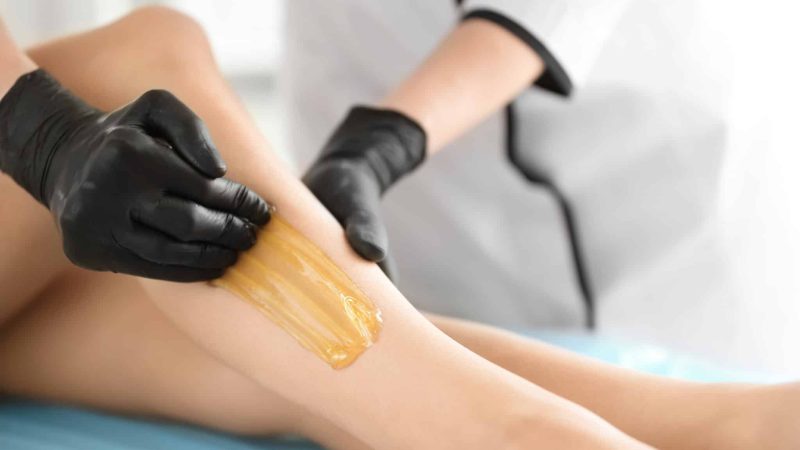
It’s the question that echoes through every trade show aisle: “I’ve almost stopped sugaring because my hand hurts. Is this just part of the job?” For many estheticians, the fear of carpal tunnel or chronic wrist pain is enough to make them put down the paste for good. But according to Jarratt of Keko Botanicals, if your hands are throbbing at the end of the day, it’s not the sugar’s fault—it’s a sign that your body is asking for a technique tune-up.
Sugaring shouldn’t be a workout; it should be a flow. To help you stay in the treatment room for the long haul, let’s look at Jarratt’s blueprint for injury prevention and ergonomic success.
1. The Carpal Tunnel Myth
First, let’s clear the air. You aren’t destined for carpal tunnel just because you sugar. Whether you’re twirling a wax stick or molding sugar paste, an injury usually comes from doing a movement incorrectly, not the movement itself.
If you are gripping the sugar for dear life or “muscling” it through the hair, you’re creating unnecessary tension. Sugaring should be an easy, fluid motion, not a battle of strength.
2. Ergonomics: Your Foundation for Success
Before you even touch a client, look at your environment. If your station isn’t set up for your height and reach, your body will compensate in ways that lead to pain.
- Be Upright and Relaxed: Don’t hunch over your work.
- Use Your Tools: If you aren’t using a hydraulic bed or a proper stool, you’re making your joints do the work that your equipment should be doing.
- Stay Loose: Tension in your shoulders eventually travels down to your fingertips.
3. The “Weightless” Technique
The most common cause of hand pain is applying too much pressure. Jarratt’s golden rule? Little to no pressure.
- Don’t Grip: You shouldn’t be “holding” the sugar so much as guiding it.
- Don’t Pull: You shouldn’t be pulling through the sugar. You should be moving along the skin.
- The Lateral Wiggle: When you hit an area where the sugar is tough to mold, don’t press harder. Instead, use a lateral wiggle. This side-to-side motion helps you get through the molding process without taxing your hand, wrist, or elbow.
4. Let the Paste do the Work
If you find yourself straining to move the sugar, the issue might be sitting in your warmer.
“If you’re finding that your paste is too hard and that’s why you’re having to work so hard, you need to bump down. Go softer.” — Jarratt, Keko Botanicals
If you can’t go softer without losing control of the paste, that is a clear indicator that your technique needs work. A solid technique allows you to use a softer paste, which is easier on your joints and significantly better for your physical longevity.
Your Career is a Marathon, Not a Sprint
Sugaring is an incredible, holistic craft, but it shouldn’t come at the cost of your health. By focusing on ergonomics, lightening your pressure, and choosing the right paste consistency, you can protect your hands and keep serving your clients for decades to come.
As Jarratt says, technique is the ultimate support for your full-body health. When you sugar correctly, your hands won’t just survive the day—they’ll thrive.